Los Angeles has always had a way of making the three-pointed star feel at home. On Wilshire Boulevard, it can be boulevard luxury, studio-lot memory, chauffeured presence or a race-bred shape that still looks fast standing still.
The Petersen Automotive Museum is leaning into all of it with World-Class: 100 Years of Mercedes-Benz, opening to the public May 23. The exhibition brings more than 40 vehicles together to tell a century-long story of engineering, design, performance and cultural presence.
Petersen Executive Director Terry L. Karges described the show as a chance for guests to experience the evolution of Mercedes-Benz and see the vehicles that helped build the company’s legacy, from Carl Benz’s earliest automobile through the supercars of the 20th century.
From invention to identity
Although the exhibition marks 100 years of Mercedes-Benz, the story begins before the badge did. The Petersen traces the roots back to 1886, when Carl Benz and Gottlieb Daimler produced their first vehicles and helped define what the automobile could become.
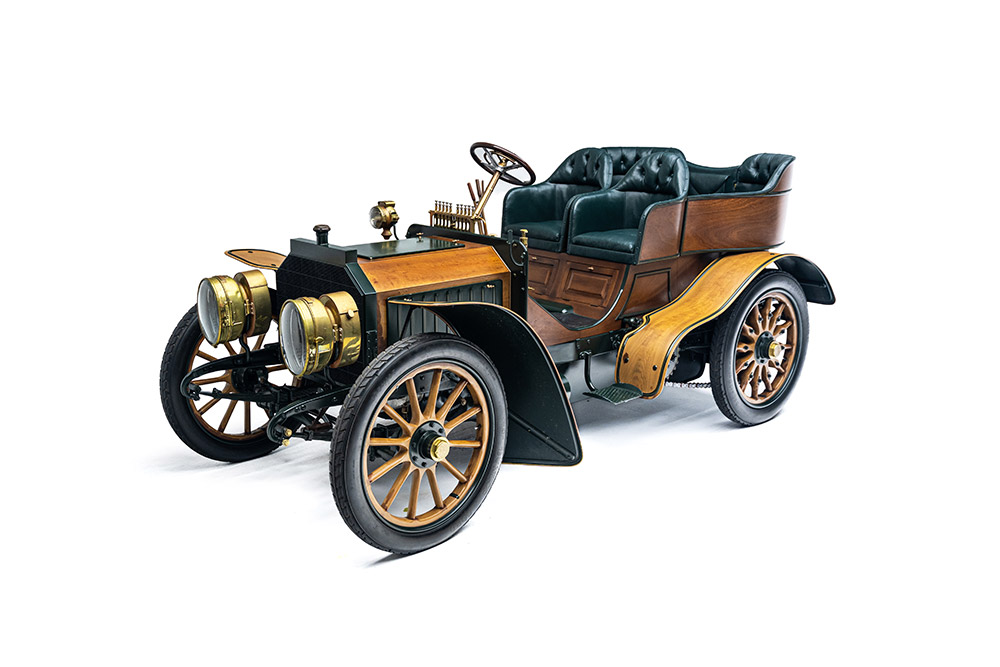
Two early machines put that origin story into context: a replica of the 1886 Benz Patent-Motorwagen and a 1902 Mercedes Simplex 28 HP Tourer. The Simplex gives the exhibition an essential starting point – upright, mechanical, elegant and direct – before the century accelerates into luxury, motorsport and modern performance.
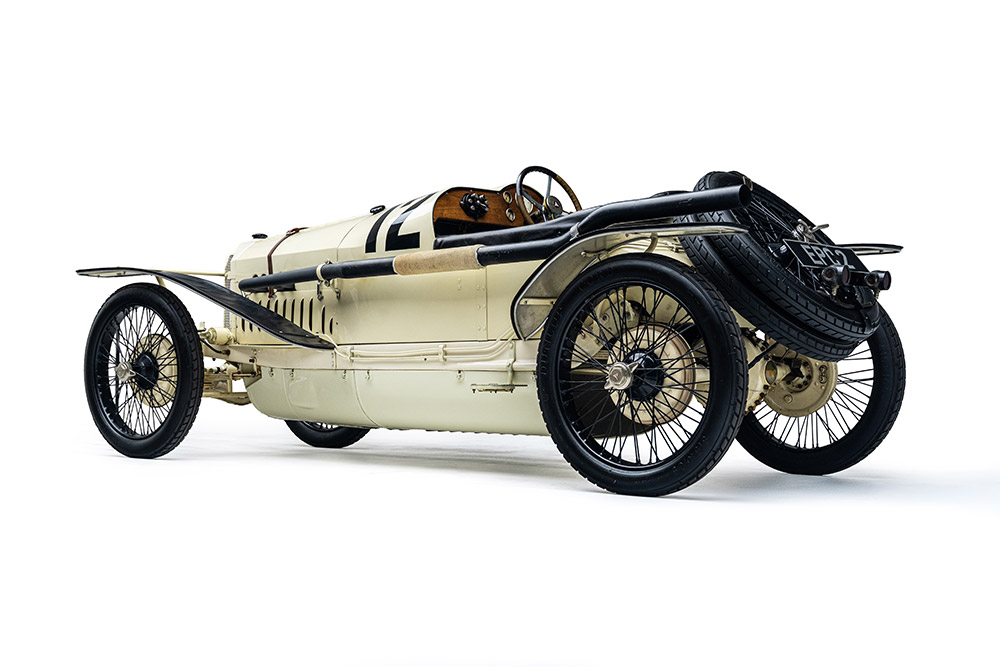
The early competition era shows how quickly invention became ambition. Long before carbon tubs, active aero or hybrid systems, Mercedes-Benz was already refining the idea that speed could be engineered, tested and repeated.
Prewar presence, measured in fenders and shadows
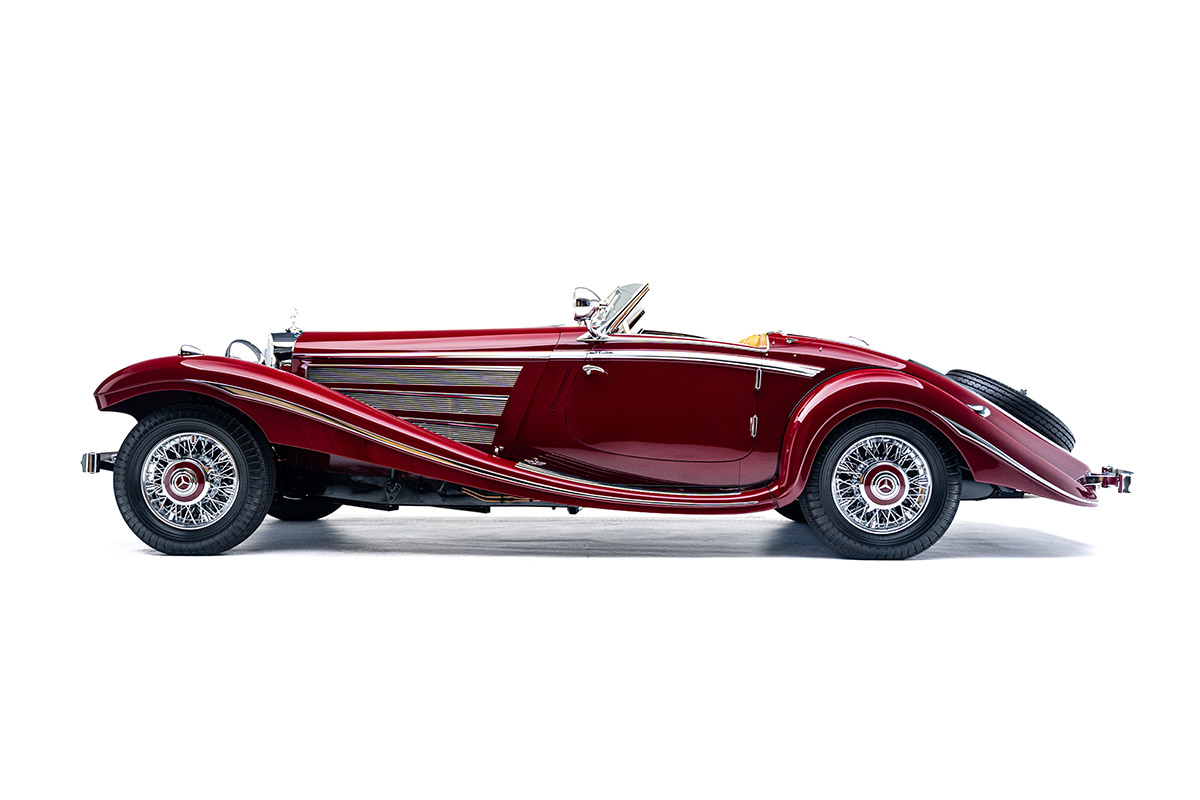
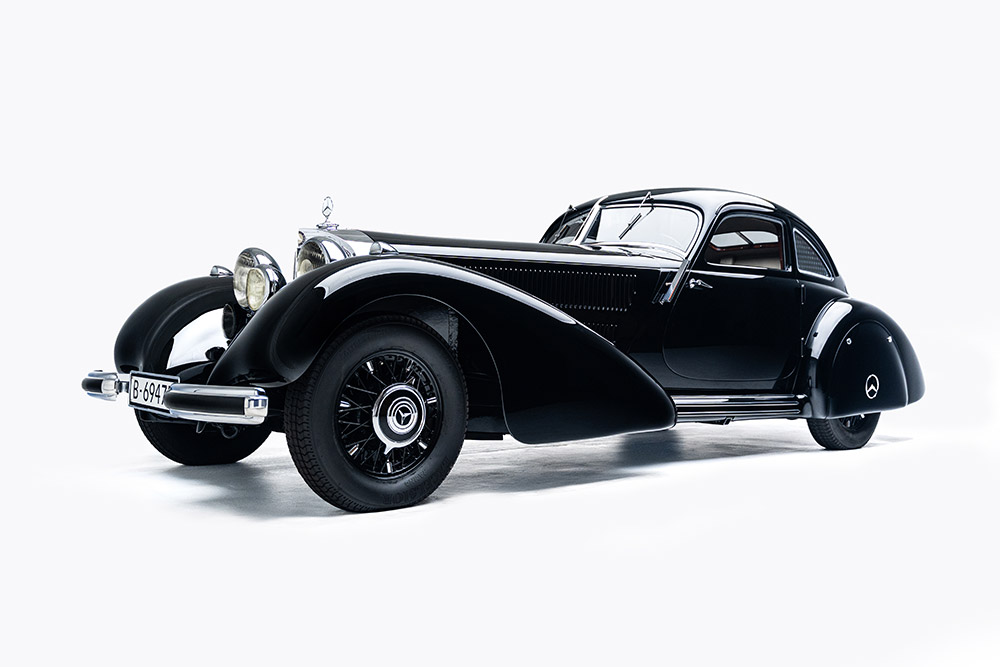
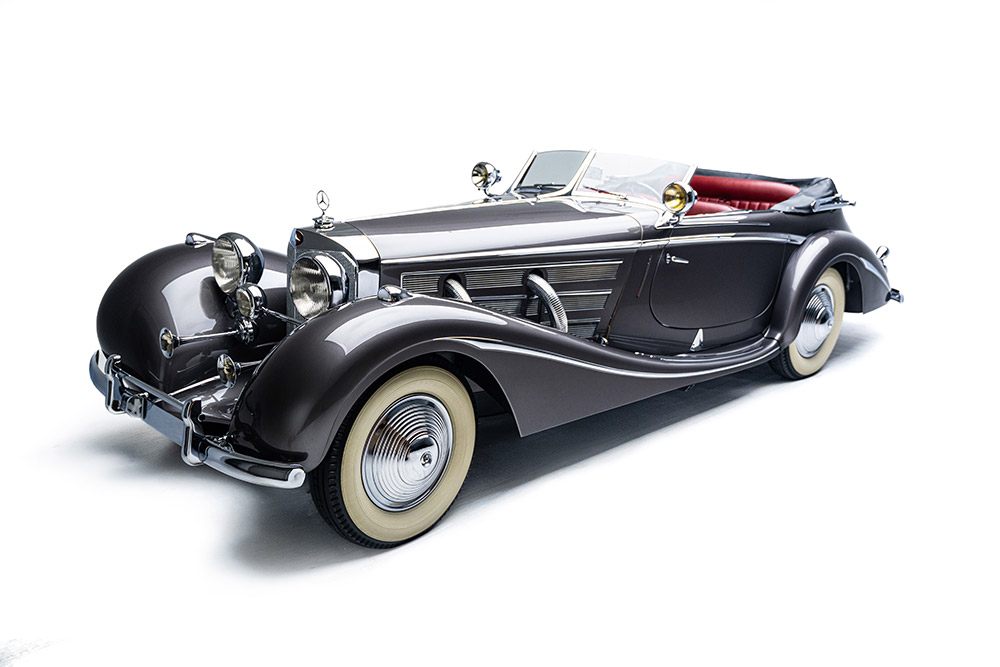
From there, the arc stretches into the marque’s prewar grandeur. The 540K era remains one of the most visually commanding chapters in Mercedes-Benz history, with proportions that make every long hood and swept fender feel intentional.
The exhibition highlights the 1938 Mercedes-Benz 540K Autobahnkurier, a car that turns speed into sculpture. Shown alongside the open elegance of the 540K Special Roadster, it reminds visitors that Mercedes-Benz luxury was never merely decoration. It was engineering made visible.
The shape of sport
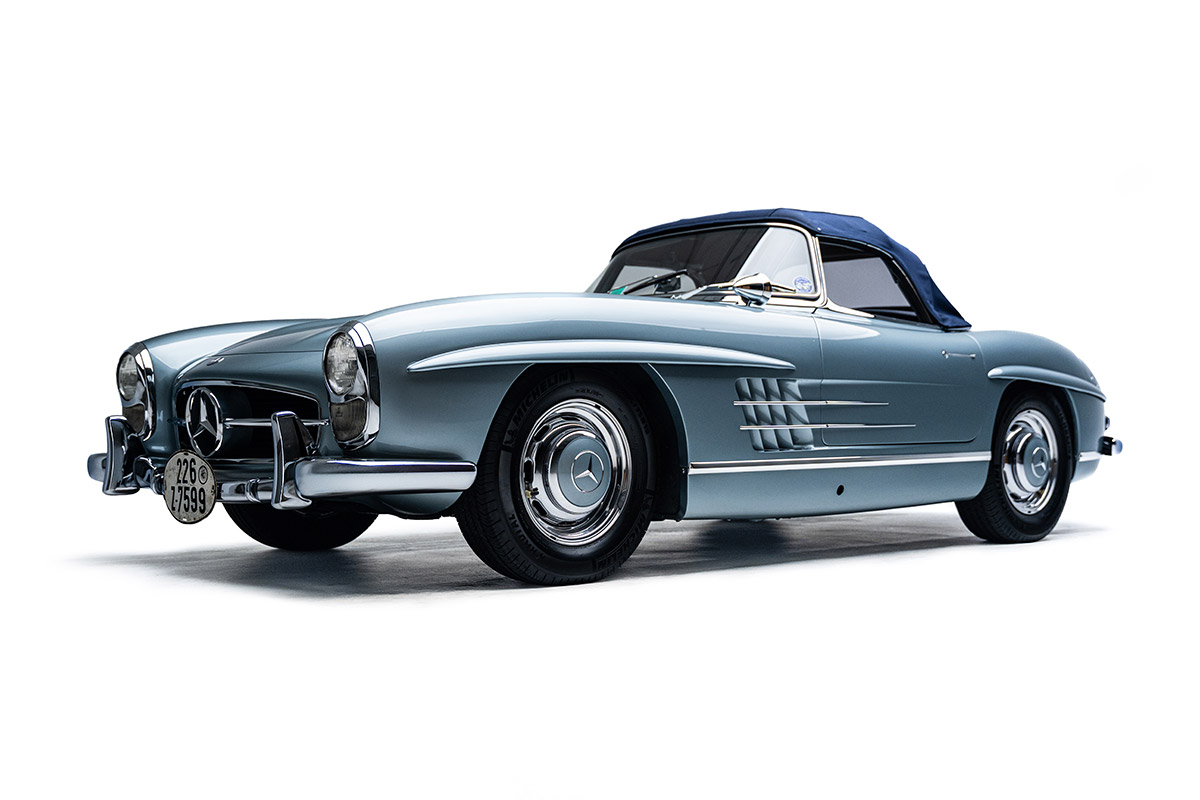
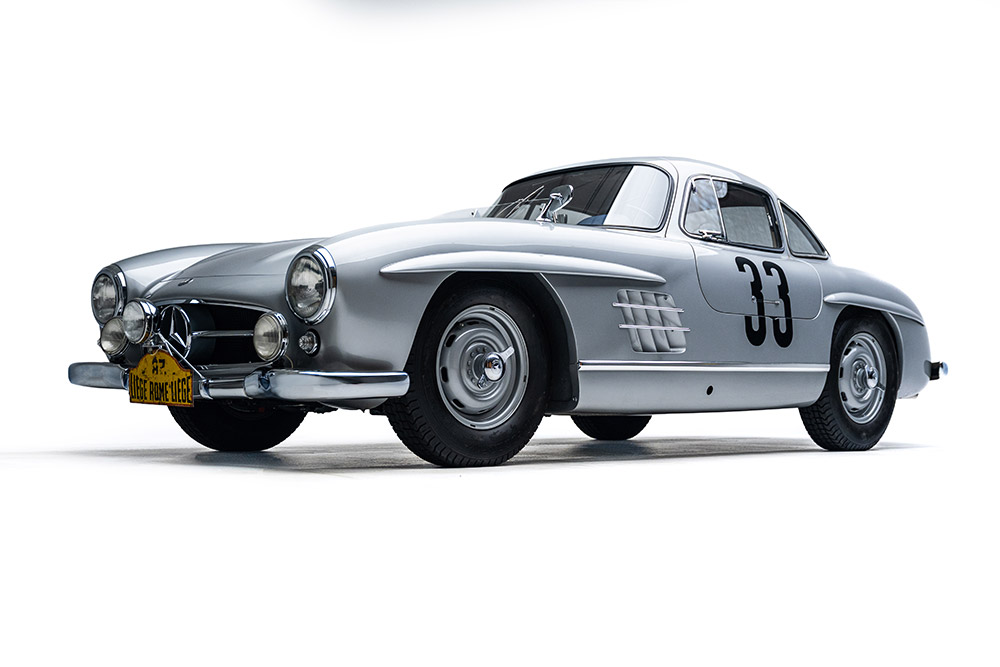
Postwar, the story tightens around cars that made Mercedes-Benz both aspirational and usable. A 1954 Mercedes-Benz 300SL Prototype connects road-car mythology to competition logic, with the same disciplined purpose that made the 300SL name one of the most recognized in the world.
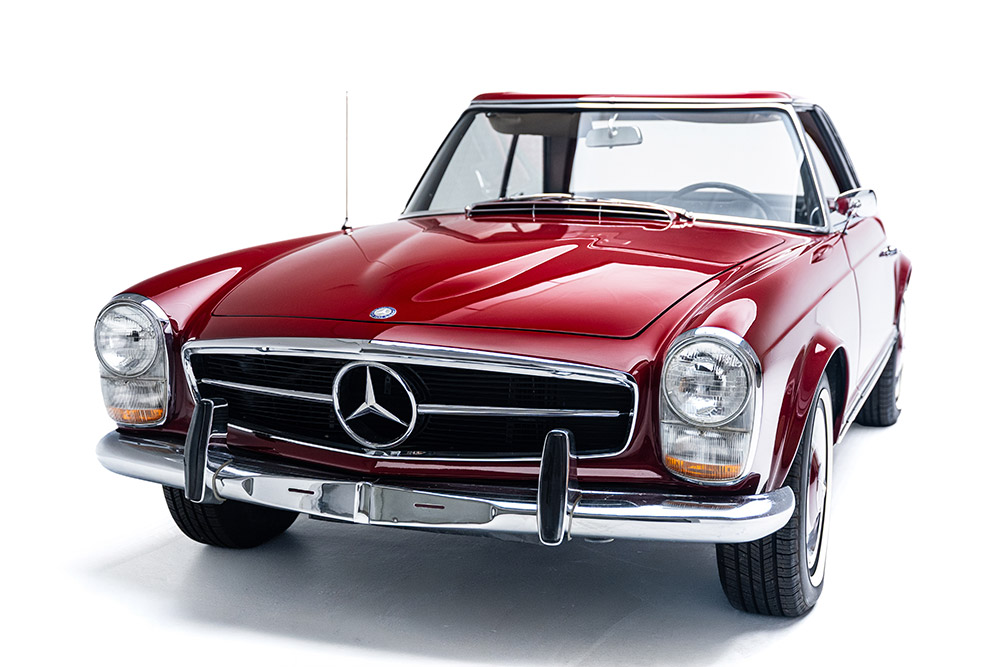
The Petersen also makes the story distinctly local. Two display cars link Mercedes-Benz to Los Angeles culture in a way spec sheets cannot: a 1956 Mercedes-Benz 300 Sc Cabriolet originally purchased by Clark Gable, and a 1964 Mercedes-Benz 230SL originally purchased by Walt Disney.
The 300 Sc Cabriolet stands as hand-built postwar prestige, while the 230SL – better known as the Pagoda for its distinctive concave roofline – represents a new kind of sports car: refined, safe, modern and comfortable enough to use every day.
Silver Arrows, endurance icons and the business of speed
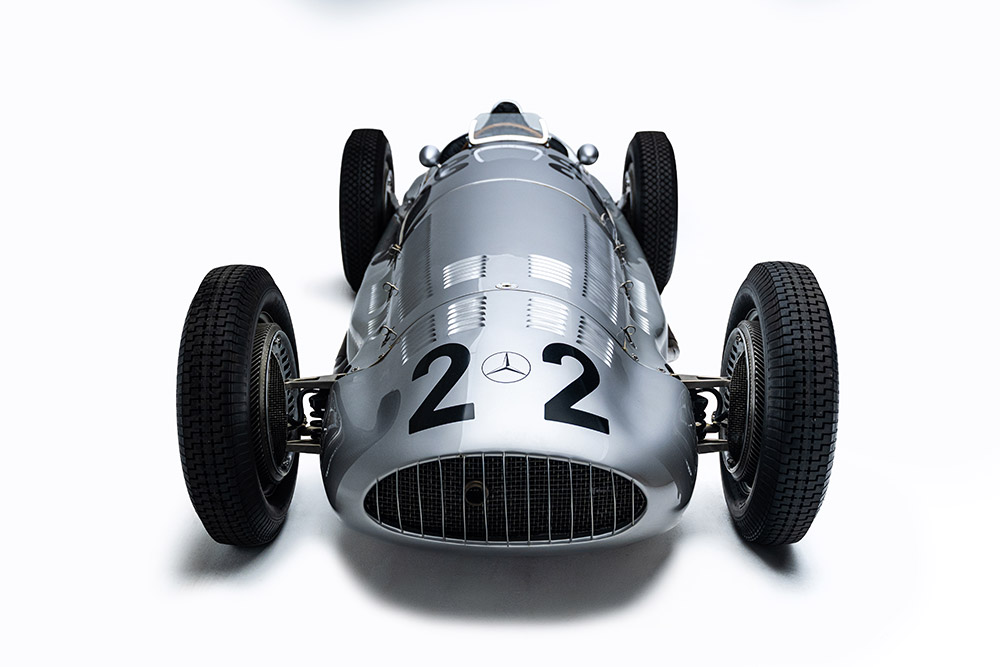
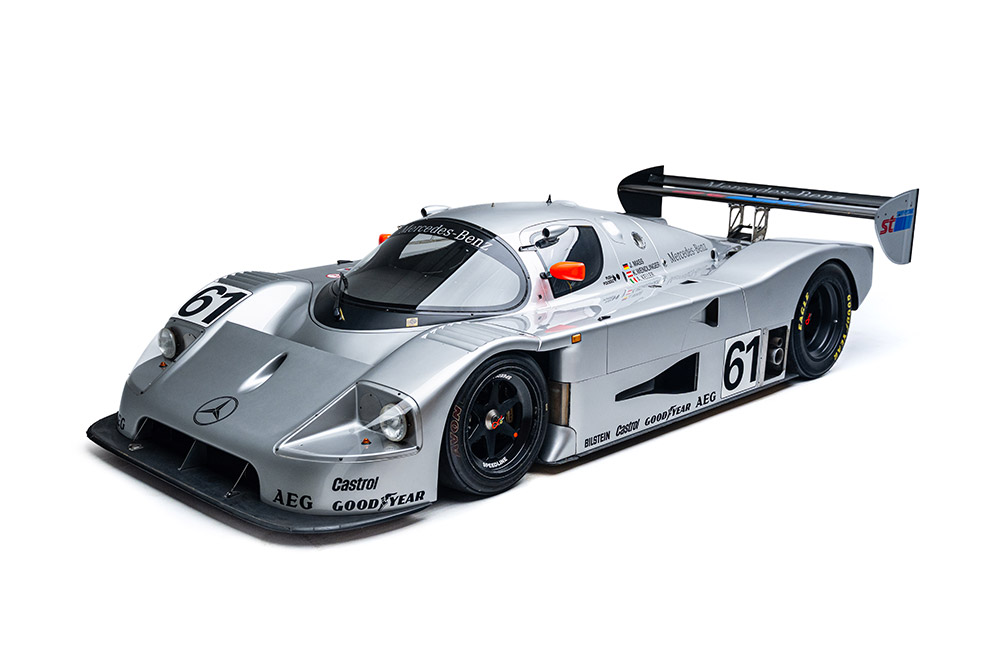
No Mercedes-Benz century can be told without motorsport. The exhibit includes numerous cars tied to the brand’s racing heritage, including two landmark Silver Arrow-era machines: a 1938 Mercedes-Benz W154 Grand Prix car and a 1989 Sauber-Mercedes C9 Group C prototype race car.
The W154 is the prewar idea of dominance distilled into aluminum, tire and cockpit. The C9, decades later, brings Group C endurance racing into the room with an entirely different language: ground-hugging bodywork, blunt purpose and the long-distance confidence of a prototype built for speed.
Luxury, power and modern icons
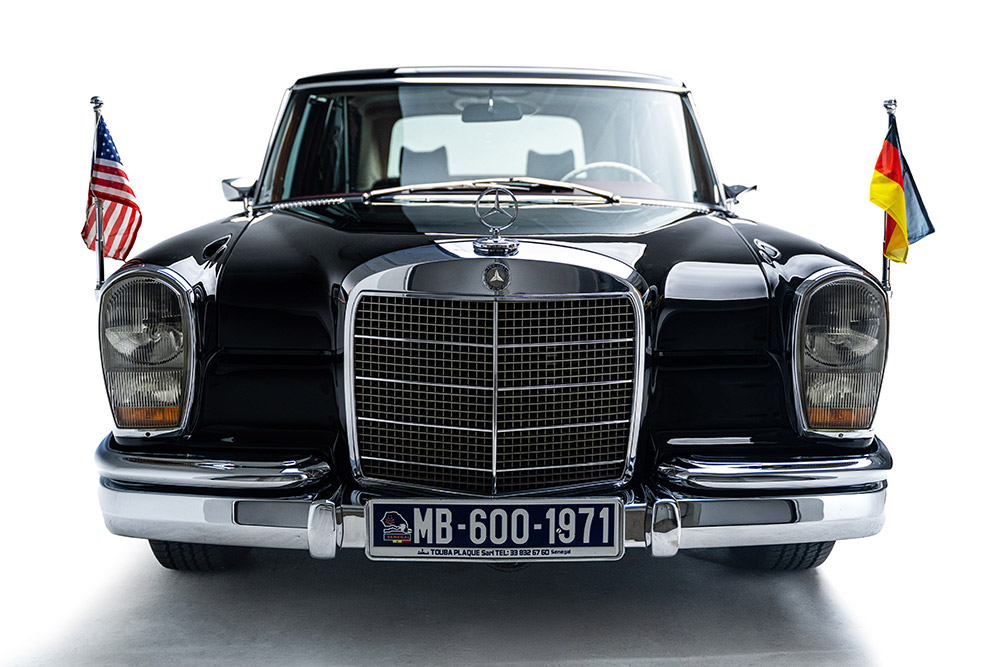
Performance is not the only measure of presence. The 1971 Mercedes-Benz 600 Pullman Landaulet makes a different kind of statement, one built around scale, ceremony and the unmistakable authority of a car designed to arrive before its passengers do.
The named vehicle list also pushes into the modern era with the 1991 Mercedes-Benz C112 and the 2002 Mercedes-Benz CLK-GTR Roadster, placing concept-car thinking and homologation-era supercar drama into the same conversation as brass-era pioneers, prewar roadsters and postwar grand tourers.
World-Class: 100 Years of Mercedes-Benz opens May 23 at the Petersen Automotive Museum and remains on display through April 25, 2027. For visitors, the draw is not simply seeing rare Mercedes-Benz vehicles gathered in one place. It is watching one idea change form for a century: invention into prestige, prestige into performance, and performance into culture.